Imagine gliding silently across crystal-clear water, the gentle dip of your paddle the only sound, as you round a bend to discover a secluded cove teeming with life. This isn’t a dream; it’s the accessible reality of kayaking, and it all begins with harnessing your paddle power. Whether you’re a seasoned outdoor enthusiast or simply looking for a new way to connect with nature, a beginner-friendly kayaking adventure promises tranquility, discovery, and a fantastic workout. This comprehensive kayaking guide will equip you with everything you need to embark on your first, or next, aquatic journey.
The Call of the Water: Why Kayaking is Your Next Adventure
Kayaking offers a unique perspective on the world, allowing you to access places often unreachable by foot or larger boats. It’s an intimate way to experience coastlines, lakes, and rivers, fostering a deep connection with the environment. For beginners, kayaking is surprisingly accessible, requiring minimal equipment and basic instruction. It’s an activity that can be as exhilarating or as serene as you make it, perfect for solo contemplation, romantic outings, or family fun.
Beyond the sheer joy of exploration, kayaking provides numerous benefits:
- Physical Fitness: It’s a fantastic low-impact workout, strengthening your core, arms, and back.
- Mental Well-being: The rhythm of paddling and the immersion in nature are incredibly calming and stress-reducing.
- Accessibility: With stable recreational and sit-on-top kayaks, virtually anyone can learn to paddle.
- Environmental Connection: Kayaks offer a quiet, non-motorized way to observe wildlife without disturbance.
Embracing your paddle power is more than just moving through water; it’s about unlocking a world of quiet adventures and personal growth.
Gearing Up for Your First Stroke: A Beginner’s Kayaking Guide
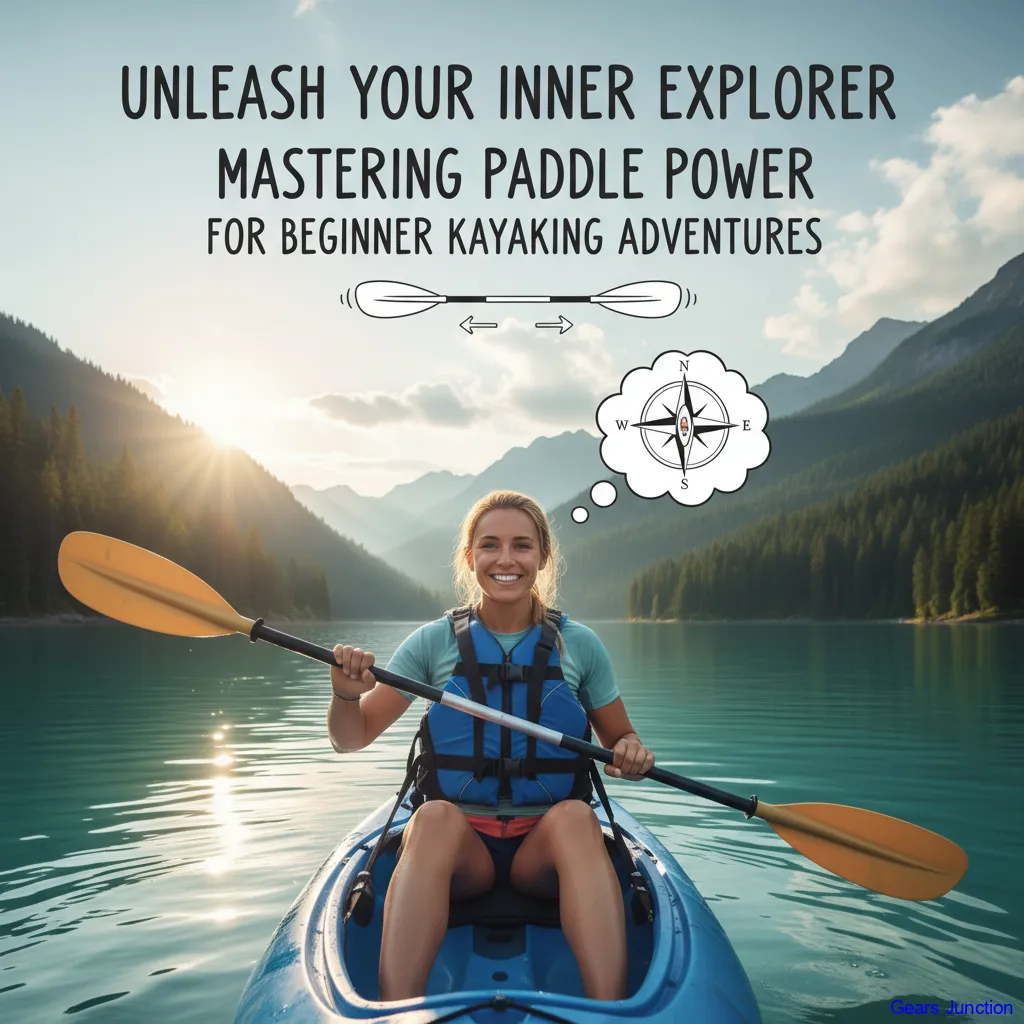
Before you hit the water, a little preparation goes a long way. Having the right gear and understanding basic techniques will ensure a safe and enjoyable experience.
Choosing Your Vessel: The Right Kayak for Beginners
For those just starting, stability and ease of use are paramount. Two popular types of kayaks fit this bill:
- Recreational Kayaks: These are typically wider and shorter than touring kayaks, offering excellent stability. They often have larger cockpits, making them easy to get in and out of. Perfect for calm lakes, slow rivers, and sheltered bays.
- Sit-on-Top (SOT) Kayaks: As the name suggests, you sit on top of the kayak rather than inside. They are incredibly stable, easy to re-enter if you fall out (especially in warm water), and great for hot weather as you’re exposed to the air. They often feature scupper holes to drain water.
For a deeper dive into kayak types and their uses, Wikipedia offers a comprehensive overview: Kayak (Wikipedia).
If you’re unsure, consider renting a kayak first to try out different styles before committing to a purchase. Many local outfitters offer rentals and even guided tours.
Essential Kit List: Beyond the Kayak
Your kayak is just the beginning. Here’s a checklist of must-have items for a safe and comfortable outing:
- Personal Flotation Device (PFD): This is non-negotiable. Always wear a properly fitted PFD (life jacket) while on the water. Even strong swimmers can get into trouble. Learn more about choosing the right PFD from the experts: U.S. Coast Guard Boating Safety.
- Paddle: Choose a paddle that’s the correct length for your height and kayak width. A comfortable grip and lightweight material will make a big difference in your paddle power efficiency.
- Dry Bag: Essential for protecting your phone, wallet, keys, and snacks from splashes.
- Water Bottle: Stay hydrated, especially on sunny days.
- Sun Protection: Sunscreen, a wide-brimmed hat, and sunglasses are vital.
- Appropriate Clothing: Dress in layers, avoiding cotton. Quick-drying synthetics are ideal. Wetsuits or drysuits might be necessary in colder conditions.
- Safety Whistle: For attracting attention in emergencies.

Basic Techniques to Master: Your First Strokes
Learning a few fundamental strokes will build your confidence and make your kayaking guide experience smooth and enjoyable.
- Getting In and Out: Practice this on a calm shore. For sit-inside kayaks, straddle the cockpit, sit down, and swing your legs in. For sit-on-tops, often it’s easiest to push off from shallow water or a low dock.
- The Forward Stroke: The bread and butter of paddle power. Place the paddle blade fully in the water near your feet. Rotate your torso and pull the blade back towards your hip. Repeat on the other side, using your core, not just your arms.
- The Reverse Stroke: Essential for stopping or backing up. Place the paddle blade behind your hip and push it forward towards your feet.
- The Sweeping Stroke: For turning. Extend the paddle out from your kayak, make a long, arcing sweep from bow to stern (front to back) on one side to turn away from that side. A reverse sweep will turn you towards that side.
Navigating Nature’s Labyrinth: Discovering Hidden Coves
The real magic of kayaking lies in its ability to take you to places that feel untouched, like hidden coves and secluded beaches. With your growing paddle power, these discoveries are within reach.
Picking Your Playground
For beginners, start with calm, protected waters. Ideal locations include:
- Small, Calm Lakes: Generally free of strong currents and large motorboat traffic.
- Slow-Moving Rivers: Choose sections with minimal rapids. Always paddle upstream first so the return journey is easier.
- Sheltered Bays and Estuaries: Look for areas protected from open ocean swells and strong winds.
Before heading out, always research your chosen location. Check weather forecasts, wind conditions, and if paddling in tidal waters, consult tide charts. Resources like NOAA Tides and Currents provide essential information for coastal paddlers.
The Thrill of Exploration
Once on the water, let your curiosity guide you. Paddle along the shoreline, exploring every nook and cranny. You’ll be amazed at the tiny beaches, rock formations, and secret passages that open up to your kayak. These hidden coves, often inaccessible to larger vessels, become your personal domain, offering a sense of peaceful solitude and discovery. Your paddle power is your key to unlocking these serene havens.
Safety First on the Open Water
Even in calm conditions, safety should be your top priority:
- Tell Someone Your Plan: Always let a friend or family member know where you’re going and when you expect to return.
- Check the Weather: Conditions can change quickly. Avoid strong winds, storms, and heavy fog.
- Stay Within Your Limits: Don’t paddle further than you can comfortably return. Be mindful of fatigue.
- Bring Navigation: A waterproof map or a charged GPS device can be invaluable, even on familiar waters.
- Paddle with a Buddy: Especially as a beginner, having another kayaker with you adds a layer of safety.
A Quiet Encounter: Observing Wildlife from Your Kayak
One of the most rewarding aspects of kayaking is the opportunity to observe wildlife up close without disturbing their natural behavior. Your silent paddle power allows for a unique, non-intrusive approach.
What You Might See
Depending on your location, a kayak adventure can transform into an incredible wildlife viewing experience:
- Birdwatching: Kayaks are perfect for bird enthusiasts. You might spot herons gracefully wading, ospreys diving for fish, eagles soaring overhead, or even puffins on a coastal trip.
- Marine Life: In coastal areas, keep an eye out for seals basking on rocks, playful otters, sea turtles, or various fish species darting beneath your kayak.
- Terrestrial Animals: Along riverbanks or lake shores, you might glimpse deer, raccoons, or other mammals coming to the water’s edge.
Ethical Wildlife Viewing
To ensure these encounters remain positive for both you and the animals, always follow ethical guidelines:
- Maintain Distance: Never approach wildlife too closely. Use binoculars for a better view. If an animal changes its behavior because of your presence, you’re too close.
- Avoid Disturbing Nests or Breeding Areas: Be especially cautious during nesting seasons.
- Never Feed Wildlife: This can alter their natural behaviors and harm their health.
- Leave No Trace: Pack out everything you pack in. Do not leave any trash or food scraps. Adhere to the principles of Leave No Trace: Leave No Trace Center for Outdoor Ethics.
Beyond the Horizon: Advancing Your Paddle Power Journey
Once you’ve mastered the basics and feel confident in your paddle power, a whole new world of kayaking opportunities opens up. You might want to explore more challenging waters, learn advanced techniques, or even try different types of kayaks.
Building Your Skills
Consider taking a kayaking lesson from a certified instructor. They can teach you:
- Advanced Strokes: Such as the draw stroke for moving sideways, or bracing strokes to prevent capsizing.
- Self-Rescue Techniques: Essential skills for re-entering your kayak after a capsize, especially in cooler waters.
- Rolling: For more advanced paddlers in sit-inside kayaks, learning to roll can be a game-changer for whitewater or sea kayaking.
Joining the Community
Many areas have local kayaking clubs or groups. Joining one is a great way to meet fellow paddlers, discover new locations, and learn from more experienced individuals. Guided tours are also an excellent option for exploring new areas safely and learning about local ecology.
Resources for Continued Learning
There are countless resources available to help you expand your kayaking guide knowledge:
- Books and Online Guides: Websites like REI Expert Advice – Kayaking offer a wealth of articles and videos.
- Local Outfitters: Often provide lessons, rentals, and expert advice specific to your region.
- Paddling Forums and Social Media Groups: Connect with other enthusiasts for tips and trip ideas.
Planning Your Next Kayak Escape
With your newfound skills and enthusiasm for paddle power, the possibilities for adventure are endless. Remember to always prioritize safety, respect the environment, and go prepared.
Before your next outing, take a moment to:
- Review the weather forecast and water conditions.
- Ensure all your gear, especially your PFD, is in good condition.
- Pack plenty of water and snacks.
- Tell someone your float plan.
Embrace the journey, enjoy the silence, and let the rhythm of your paddle connect you with the natural world.
Conclusion
Kayaking is more than just a sport; it’s a gateway to exploration, tranquility, and a deeper appreciation for our planet’s natural beauty. From the moment you push off from shore, propelled by your own paddle power, you’re embarking on a journey of discovery. Whether you’re quietly observing a great blue heron in a marshy cove or feeling the invigorating spray of the open water, each moment in a kayak is an opportunity to create lasting memories.
This kayaking guide has provided you with the foundational knowledge to get started, from choosing the right gear to mastering basic strokes and ensuring safety. The world is full of hidden coves and teeming with wildlife waiting to be discovered. So, grab a paddle, embrace the serene adventure, and unleash your inner explorer. Your next great paddle power journey awaits! Go forth and explore!