Hey there, aspiring paddlers! Are you dreaming of gliding across shimmering waters, exploring hidden coves, and getting up close with marine wildlife? Then coastal kayaking for beginners might just be your next great adventure! It’s an incredible way to connect with nature, get a fantastic workout, and experience the world from a unique perspective. But like any outdoor activity, it comes with its own set of challenges and, more importantly, safety considerations. This guide is your ultimate starting point, designed to equip you with the knowledge of essential gear and introduce you to some of the most stunning, beginner-friendly coastal routes out there. Get ready to unlock the secrets of paddle power and start mastering kayaking, one stroke at a time.
Why Coastal Kayaking? A World Awaits!
Coastal kayaking offers a blend of tranquility and excitement that’s hard to beat. Unlike river kayaking, which often involves rapids and currents, or lake kayaking, which can sometimes feel monotonous, coastal paddling introduces you to a dynamic environment where every turn can reveal something new. Imagine spotting playful dolphins leaping through the waves, curious seals popping up to greet you, or majestic seabirds soaring overhead. The coastal landscape itself is a spectacle, from rugged cliffs and sea caves to pristine sandy beaches and lush mangrove forests. It’s an immersive experience that engages all your senses – the salty air, the rhythmic sound of your paddle dipping into the water, the stunning vistas. Plus, it’s an excellent way to boost your physical fitness, improving core strength, endurance, and upper body power, all while enjoying the great outdoors. It’s not just a sport; it’s a journey into nature’s backyard.
Essential Safety Gear for Coastal Kayaking: Your Lifeline on the Water
Safety is paramount when you’re out on the water, especially for those new to coastal kayaking. The ocean can be unpredictable, and being prepared is not just smart – it’s crucial. Investing in the right gear isn’t just about comfort; it’s about ensuring your well-being and making sure your adventure stays fun and safe. Here’s a rundown of the must-have items before you even think about pushing off from shore:
Personal Flotation Devices (PFDs)
This is non-negotiable. A properly fitted Personal Flotation Device, or life jacket, is your most important piece of safety equipment. It should be comfortable enough to wear for extended periods and rated for paddling. Even if you’re a strong swimmer, a PFD provides crucial buoyancy if you capsize or become fatigued. Always wear it, not just have it stowed in your kayak.
Paddle and Spare Paddle
While your primary paddle will be doing most of the work, having a spare paddle is an absolute must. Paddles can be dropped, break, or even float away in choppy water. A spare can literally save your trip, preventing you from being stranded. Make sure both are appropriate length and type for your kayak and paddling style.
Bilge Pump and Sponge
Even in calm conditions, water can enter your kayak from splashes, rain, or small leaks. A bilge pump allows you to efficiently remove water from inside your kayak, preventing it from becoming waterlogged and unstable. A small sponge can help dry up residual water in hard-to-reach spots.
Signaling Devices
If you get into trouble or need assistance, you need to be able to signal. This includes a whistle (attached to your PFD), a signal mirror for daytime use, and possibly a marine VHF radio or a fully charged waterproof cell phone in a dry bag for emergencies. A bright strobe light or headlamp can be useful for low-light or nighttime paddling, although beginners should generally avoid night paddling.
Navigation Tools
Knowing where you are and where you’re going is vital. A waterproof map of the area, a compass, and familiarity with how to use them are essential. A GPS device or a smartphone with navigation apps (and a backup battery) can also be incredibly helpful, but don’t rely on electronics alone.
First-Aid Kit
Cuts, scrapes, blisters, and other minor injuries can happen. A basic waterproof first-aid kit with bandages, antiseptic wipes, pain relievers, and any personal medications is crucial. Tailor it to potential hazards of the specific environment.
Wet/Dry Bag
Protect your electronics, extra clothing, and other essentials from water with a reliable dry bag. Different sizes are useful for different items, ensuring your gear stays dry even if your kayak doesn’t.
Appropriate Clothing and Sun Protection
Dress in layers made of synthetic materials (like neoprene or quick-drying synthetics) that wick moisture and insulate even when wet. Avoid cotton, which loses its insulating properties when wet. Sun protection is key: a wide-brimmed hat, sunglasses, long-sleeved rash guard, and plenty of waterproof sunscreen will protect you from the sun’s harsh rays and reflections off the water.
Water and Snacks
Staying hydrated and energized is vital, especially on longer paddles. Bring more water than you think you’ll need, along with energy-rich snacks like nuts, energy bars, or fruit.
Kayak-Specific Gear
Consider a spray skirt to keep water out of your cockpit in choppier conditions, especially for sit-in kayaks. A paddle leash can prevent your paddle from floating away. A tow rope or line is also smart, allowing you to tow or be towed if necessary, especially if paddling with a buddy.
Top 5 Scenic Coastal Kayaking Routes for Beginners
Now for the fun part! While the ocean can be vast and intimidating, many coastal areas offer sheltered bays, calm inlets, and protected waterways perfect for beginners. Here are five fantastic scenic routes across North America that are generally well-suited for those new to the sport, provided you check local conditions and go on calm days:
1. La Jolla Cove, California
La Jolla Cove in San Diego is world-renowned for its stunning sea caves, rich marine life, and relatively calm waters, making it an excellent spot for coastal kayaking for beginners. You can paddle alongside seals and sea lions, explore fascinating caves (weather permitting), and observe colorful Garibaldi fish in the clear waters. Several outfitters offer guided tours, which are highly recommended for first-timers to navigate safely and learn about the local ecosystem. The cove itself is protected, offering a gentler introduction to ocean paddling.
2. Acadia National Park, Maine
For a taste of the rugged Atlantic coastline, Acadia National Park in Maine offers breathtaking beauty. While some areas can be challenging, protected bays like Frenchman Bay or the waters around Mount Desert Island provide fantastic beginner-friendly opportunities. You’ll be treated to views of rocky shorelines, pine-covered islands, and historic lighthouses. Keep an eye out for seals, porpoises, and various seabirds. Local rental shops and guided tours can help you choose the safest and most scenic routes for your skill level.
3. San Juan Islands, Washington
Often considered a paddler’s paradise, the San Juan Islands boast calm, protected waterways between the islands, teeming with wildlife. While famous for whale watching, the sheltered bays and inlets offer incredibly scenic routes for beginners. You can paddle alongside forested shores, spot bald eagles, and even catch glimpses of orcas or other marine mammals in the distance from a safe distance. Friday Harbor on San Juan Island or Lopez Island are great starting points with multiple rental and tour operations available. Always be mindful of currents in channels.
4. Florida Keys, Florida
Trade rugged coasts for tropical paradise in the Florida Keys. The calm, shallow waters of the backcountry, particularly around areas like Key Largo or Islamorada, are ideal for beginners. You can paddle through intricate mangrove tunnels, exploring a unique ecosystem that is a nursery for countless fish species and birds. The crystal-clear waters allow for fantastic visibility of sponges, corals, and even manatees. Guided tours are highly recommended to navigate the labyrinthine mangroves and learn about this delicate environment.
5. Apostle Islands National Lakeshore, Wisconsin (Lake Superior)
While not an ocean, the Apostle Islands on Lake Superior offer a truly coastal kayaking experience with freshwater sea caves, towering sandstone cliffs, and numerous islands. The waters here can be unpredictable, but on calm days, the sheltered areas near the mainland or specific islands offer awe-inspiring views. Exploring the intricate sea caves by kayak is an unforgettable experience. Beginners should stick to guided tours or very calm days near shore, as Lake Superior can be as challenging as any ocean. National Park Service rangers and local outfitters provide valuable information on current conditions and safe routes.
Mastering Kayaking Techniques for Coastal Adventures
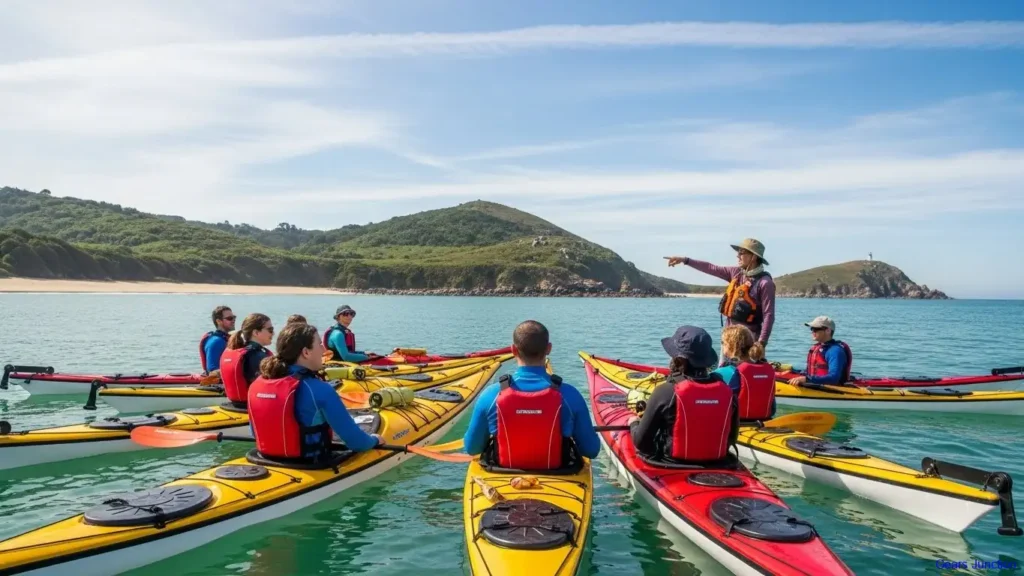
Beyond the gear and the beautiful locations, developing your skills is key to truly enjoying and staying safe while coastal kayaking. The journey of mastering kayaking is ongoing, but starting with the basics of paddle power and understanding your environment will set you up for success.
Basic Strokes: The Foundation of Paddle Power
Before you head out, practice fundamental strokes. The forward stroke is your primary propulsion, focusing on a strong, controlled rotation from your core, not just your arms. A good reverse stroke helps you stop or back up. Sweep strokes are crucial for turning the kayak – wide, arcing strokes that pivot your boat. Practice these in calm, sheltered water until they feel natural. Proper technique conserves energy and makes your paddling more efficient, directly impacting your paddle power and endurance.
Bracing and Self-Rescue
Knowing how to prevent a capsize (bracing) and what to do if you do (self-rescue) are critical skills. A low brace or high brace uses the paddle blade to momentarily support you on the water, helping you regain balance. Practice these with an instructor or experienced paddler. For self-rescue, learning how to re-enter your kayak from the water, either alone or with assistance, is vital. Many outdoor centers offer courses specifically on these techniques, and they are well worth the investment. Don’t venture far offshore until you’re confident in your ability to re-enter your kayak.
Understanding Tides and Currents
Coastal environments are heavily influenced by tides and currents, which can significantly impact your paddling. Before every trip, check the tide charts and current forecasts for your specific location. Paddling against a strong current can be exhausting and dangerous, while using currents to your advantage can make for an easier journey. Always paddle against the current on the way out so you can ride it back in, especially if you’re not sure about your endurance.
Weather Awareness
The weather can change rapidly on the coast. Always check the marine forecast before heading out. Pay attention to wind speed and direction, potential for fog, and upcoming storms. Strong winds can make paddling extremely difficult and create dangerous chop. Fog can reduce visibility to almost zero, making navigation perilous. If the forecast looks iffy, it’s always best to postpone your trip. Utilize resources like NOAA Marine Forecasts for up-to-date information.
Conclusion: Your Coastal Kayaking Adventure Awaits!
Coastal kayaking for beginners is an incredibly rewarding activity that offers endless opportunities for exploration and connection with nature. From the tranquility of a mangrove tunnel in Florida to the dramatic sea caves of the Apostle Islands, there’s a stunning coastal playground waiting for you. Remember, safety always comes first – equip yourself with the right gear, understand the environment, and continuously work on mastering kayaking skills like efficient paddle power and self-rescue. Start in calm, protected waters, consider a guided tour, and always let someone know your float plan. With proper preparation and a spirit of adventure, you’ll soon be confidently paddling through some of the most beautiful coastal landscapes on the planet. Happy paddling!
References
- History of kayaking
- REI Expert Advice: Life Jackets
- National Park Service: Acadia National Park
- NOAA Marine Forecasts
- American Canoe Association
