Winter brings a different kind of magic to the outdoors, and for many, that magic means bundling up and heading out onto a frozen lake. If you’ve ever seen an angler patiently waiting by a tiny hole in the ice, you’ve witnessed the unique appeal of ice fishing. It’s more than just catching fish; it’s about embracing the tranquility of a winter landscape, the challenge of a new sport, and the camaraderie found on the ice. But before you venture out, understanding the right ice fishing equipment and crucial safety protocols is paramount. This comprehensive guide will walk you through everything you need to know to gear up properly and stay safe on your first (or next) ice fishing adventure. We’ll cover the must-have gear, from basic necessities to comfort-enhancing gadgets, and, most importantly, the safety measures that will ensure your experience is memorable for all the right reasons.
The Lure of the Frozen Lake: Why Ice Fishing?
Ice fishing isn’t just a niche activity for the most hardcore winter sports enthusiasts; it’s a growing passion for many looking for a unique way to enjoy the colder months. Imagine crisp, clean air, the stark beauty of a snow-covered landscape, and the quiet anticipation as you wait for a bite. It’s a meditative experience, a chance to disconnect from the digital world and reconnect with nature. Plus, there’s the thrill of the catch! Many species, like walleye, perch, and pike, remain active under the ice, offering fantastic angling opportunities. It’s a social sport too; often, friends and family gather in shanties, sharing stories and warmth while they fish. But to truly enjoy it, having the right setup is key.
Essential Ice Fishing Equipment: Your Gear Checklist
Getting started with ice fishing requires some specialized gear. While some items might seem familiar from open-water fishing, the cold environment and unique method demand specific tools. Let’s break down the essential ice fishing equipment you’ll need.
Shelter from the Storm: Ice Shacks and Shelters
One of the first things you’ll consider, especially if you plan to spend more than an hour or two on the ice, is shelter. An ice shack or shelter provides protection from the wind, snow, and extreme cold, making your trip significantly more comfortable.
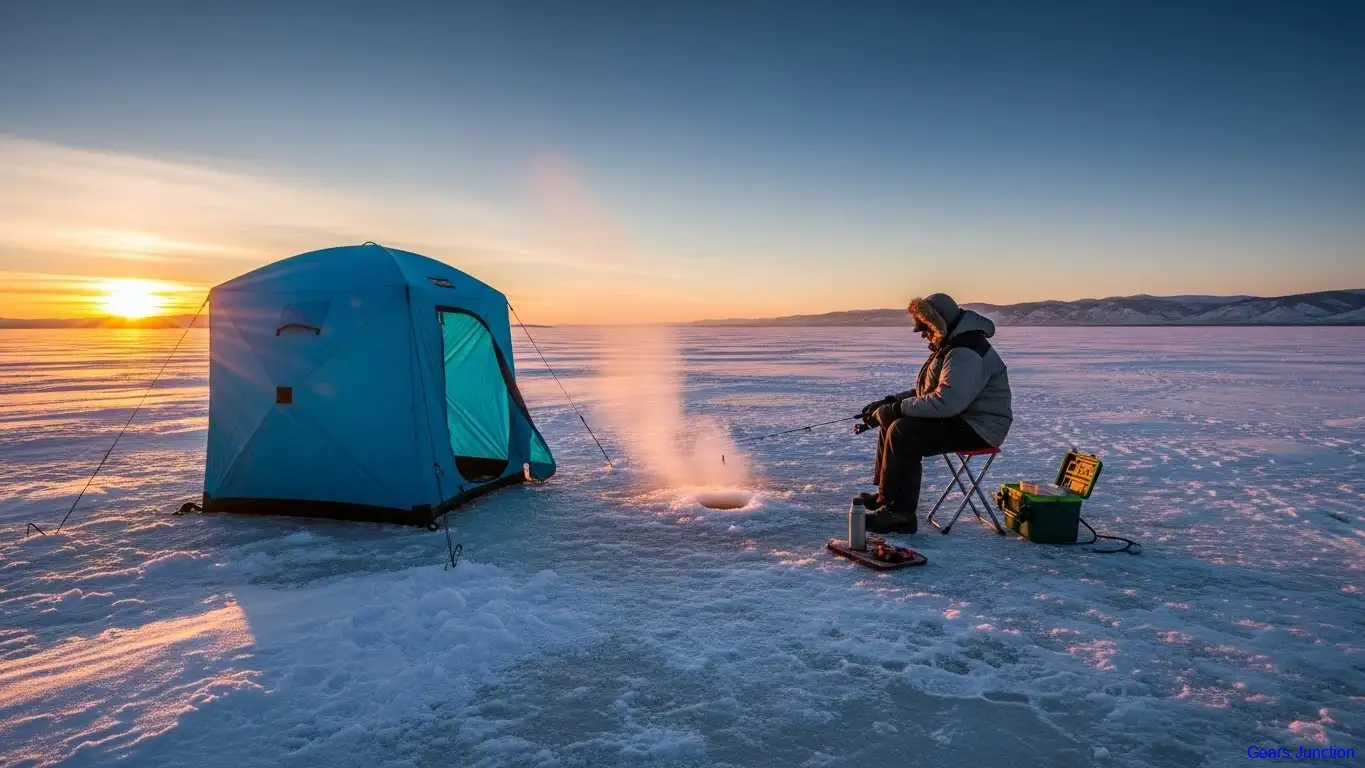
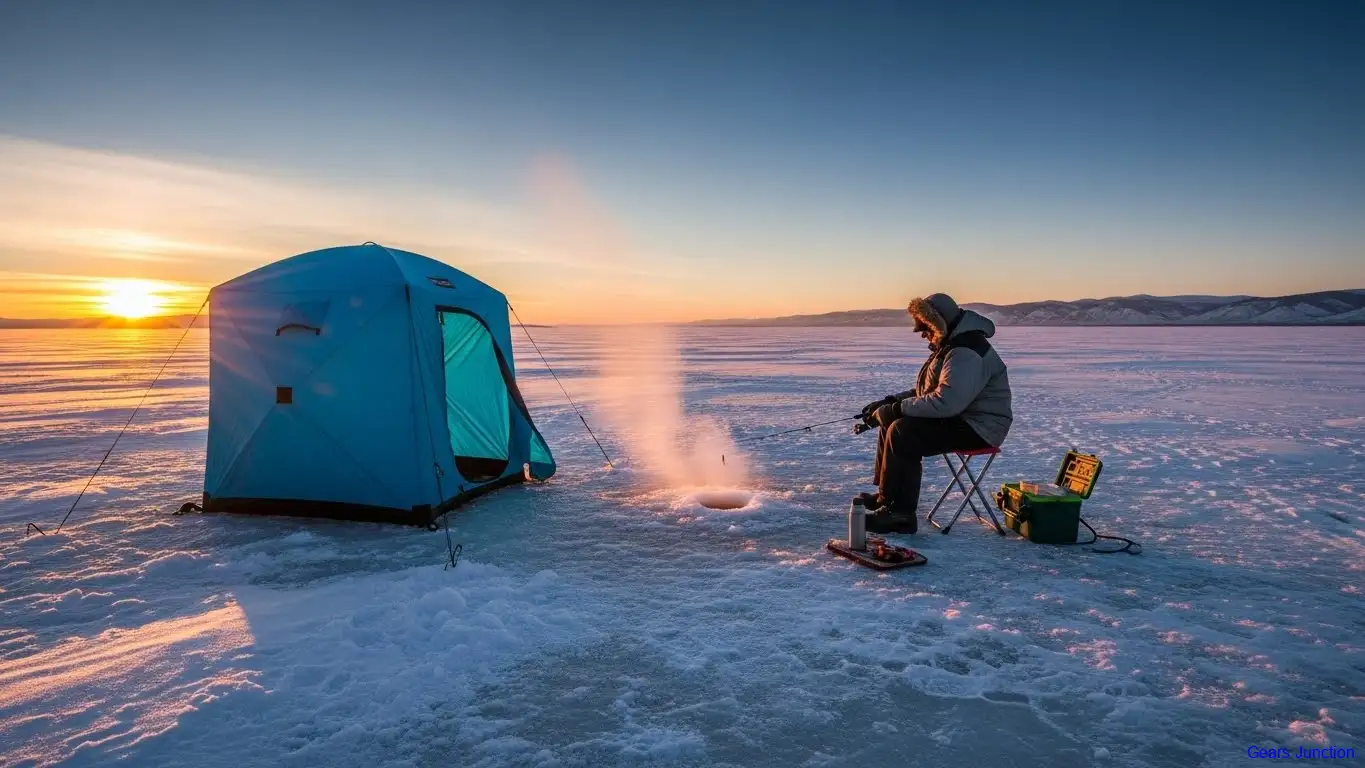
- Portable Pop-Up Shelters: These are incredibly popular for their ease of transport and quick setup. They often resemble a tent, popping up in minutes and collapsing down into a compact bag. They’re lightweight, making them ideal for those who like to move around (run-and-gun fishing) or have limited storage space. Many come insulated to retain heat.
- Flip-Over Shelters: These are often built onto a sled base, which makes them easy to pull across the ice. When you arrive at your spot, you simply flip the tent portion over the sled, and you’re ready to fish. They offer excellent wind protection and can be very warm, especially insulated models. They’re a bit heavier but offer more robust protection and typically more space.
- Permanent Shacks: Less common for beginners, these are more like small cabins on skids, often found on popular lakes. They require significant effort to set up and remove but offer maximum comfort, often including stoves, bunks, and even TVs. They’re typically for seasoned anglers with dedicated spots.
Drilling Through: Augers (Manual vs. Power)
To get to the fish, you first need to make a hole in the ice! This is where an auger comes in. The type you choose depends on ice thickness, budget, and how much physical effort you want to exert.
- Manual Augers: These are hand-cranked and perfect for thinner ice (under 10-12 inches) or for anglers who prefer a good workout. They are quiet, lightweight, and require no fuel. They are also the most affordable option. You can learn more about the mechanics of an ice auger on Wikipedia.
- Propane Augers: These are gas-powered but run on easy-to-find propane canisters, making them cleaner and easier to start in cold weather than gasoline models. They’re powerful enough for thick ice and are a popular choice for their reliability.
- Electric Augers: Powered by rechargeable batteries, these are quiet, environmentally friendly, and require minimal maintenance. Battery life can be a concern on very long trips or in extreme cold, but newer models offer impressive power and longevity. They are becoming increasingly popular for their convenience.
Rods, Reels, and Lines: Specialized Tackle
While you might be tempted to use your open-water setup, ice fishing tackle is designed specifically for the conditions and fishing techniques. Your standard rod and reel combo won’t cut it.
- Ice Fishing Rods: These are much shorter than traditional rods, typically ranging from 24 to 36 inches. Their short length makes them easy to handle in a small shack and allows for precise jigging. They feature a sensitive tip to detect subtle bites from lethargic fish in cold water.
- Ice Fishing Reels: Spinning reels are most common, though inline reels (which prevent line twist) are also popular. Look for models designed for cold weather, as some lubricants can seize up in freezing temperatures.
- Fishing Line: Monofilament, fluorocarbon, and braided lines all have their place. Fluorocarbon is nearly invisible underwater and has low stretch, which is great for sensitivity. Braided line offers excellent strength and no stretch, but it can absorb water and freeze. Many anglers use a short fluorocarbon leader with braided main line.
The Bait Game: Lures and Live Bait
What you use to entice the fish can make or break your day. A combination of live bait and artificial lures is often most effective.
- Jigs: Small, weighted lures often tipped with bait. They come in various shapes and colors, mimicking small insects or minnows. Popular choices include tungsten jigs, which are small but heavy, allowing them to sink quickly.
- Spoons: Designed to flutter and flash as they fall, spoons are great for attracting aggressive fish from a distance. They often imitate injured baitfish.
- Live Bait: Minnows (shiners, fatheads), wax worms, and maggots (spikes) are ice fishing staples. They provide natural scent and movement, often irresistible to cold-water fish. Keep them in an insulated bait bucket to prevent freezing.
Fish Finders and Flashers: Seeing Beneath the Ice
These electronic devices are game-changers for ice anglers, allowing you to see what’s happening under the ice.
- Flashers: Traditional ice fishing sonars, flashers display real-time information about the bottom, fish, and your lure using colored lights. They’re excellent for quickly identifying fish activity and precisely presenting your bait. Brands like Vexilar and Humminbird are leaders in this technology, and you can explore their offerings to see how these devices work for yourself here.
- LCD Sonars/Fish Finders: Similar to open-water units, these provide a more detailed graphical display. Some offer GPS mapping, allowing you to mark hot spots. Many modern units are designed to withstand cold temperatures.
Staying Warm: Proper Winter Apparel
This is perhaps the most critical component of your ice fishing equipment. Being cold is not only uncomfortable but also dangerous. Layering is key.
- Base Layers: Moisture-wicking material (merino wool or synthetic) to keep sweat away from your skin.
- Mid-Layers: Insulating layers like fleece or down to trap warmth.
- Outer Layer: A waterproof and windproof jacket and bibs (overall-style pants) are essential. Many ice fishing-specific suits are insulated and even designed with flotation assistance in case of an accidental fall through the ice.
- Boots: Insulated, waterproof boots are non-negotiable. Look for ratings that match or exceed the lowest temperatures you expect to encounter. Traction is also important; boots with good grip or even ice cleats can prevent slips.
- Gloves/Mittens: Warm, waterproof gloves or mittens are a must. Many anglers opt for a convertible style that allows fingers to be exposed for handling tackle but covered for warmth.
- Hat/Balaclava: You lose a lot of heat through your head, so a warm hat or balaclava is crucial.
Essential Extras: From Seats to Scoops
Don’t forget these smaller items that significantly enhance comfort and safety.
- Ice Scoop/Skimmer: To clear slush and ice chunks from your fishing hole.
- Spud Bar: A long, heavy chisel-like tool used to test ice thickness as you walk. An absolute safety must-have.
- Pliers/Forceps: For hook removal.
- Tackle Box: To keep your lures, hooks, and weights organized.
- Portable Heater: For use in shelters, a small propane heater can make a huge difference in comfort. Always ensure proper ventilation to prevent carbon monoxide buildup.
- Portable Chair/Bucket: Something comfortable to sit on while you wait.
- Headlamp/Lantern: For early morning, late evening, or night fishing.
Ice Fishing Safety: Don’t Take Risks on the Ice!
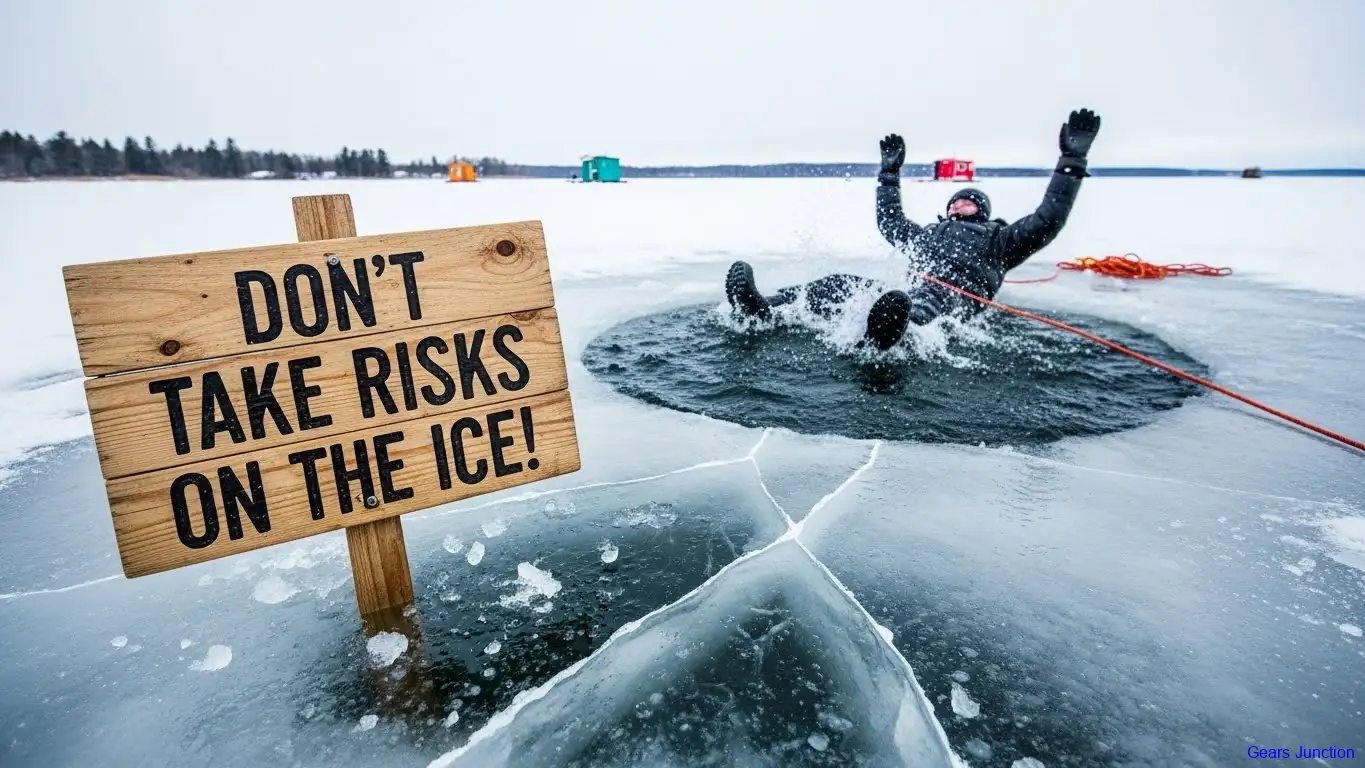
Safety is not just a recommendation; it’s a non-negotiable aspect of ice fishing. The frozen environment poses unique hazards, and being prepared can literally save your life. Never take ice conditions for granted.
Knowing the Ice: Thickness and Conditions
This is the golden rule of ice fishing: No ice is 100% safe. Always exercise extreme caution. Ice thickness can vary greatly on the same body of water, even within a few feet. Factors like currents, springs, underwater structures, and recent weather can all affect ice integrity.
- Minimum Safe Thickness: General guidelines suggest at least 4 inches of clear, new ice for walking alone, 5-7 inches for small groups, 8-12 inches for snowmobiles or ATVs, and 12-15 inches for light vehicles. Always verify local conditions with authorities or experienced anglers. For detailed ice safety guidelines, refer to resources like those provided by the Minnesota Department of Natural Resources.
- Checking Ice: Use a spud bar to test the ice ahead of you as you walk. Strike the ice firmly; if it cracks or sounds hollow, back away. Avoid areas near inlets, outlets, bridges, or aerators, as ice in these spots is often thinner due to moving water.
- Ice Color: Clear blue ice is generally the strongest. White or opaque ice is weaker due to air bubbles. Gray ice indicates the presence of water and is extremely dangerous.
Buddy System and Emergency Gear
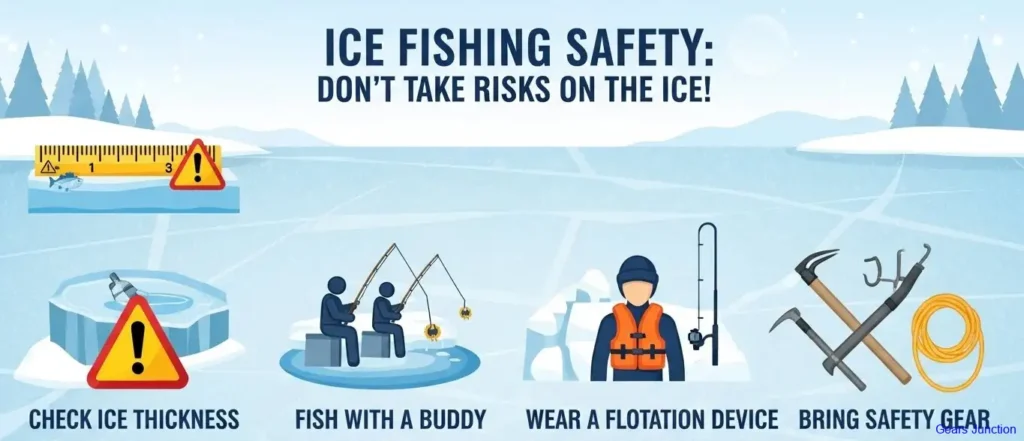
- Never Fish Alone: Always go with a buddy. If an accident occurs, having someone else there can be the difference between life and death.
- Ice Picks: These are two sharp, spiked handles connected by a cord, worn around your neck. If you fall through, you can use them to pull yourself back onto the ice. They are inexpensive and absolutely essential.
- Rope: Carry a throw rope (at least 50 feet long) to assist someone who has fallen through.
- Whistle: To alert others if you’re in trouble.
- Cell Phone: Keep it in a waterproof case and close to your body to keep the battery warm. Have emergency numbers pre-programmed.
Hypothermia and Frostbite Prevention
Even with proper clothing, prolonged exposure to cold can lead to serious medical conditions.
- Recognizing Symptoms: Learn the signs of hypothermia (shivering, confusion, slurred speech, clumsy movements) and frostbite (numbness, tingling, waxy skin). If you or your buddy experience these, seek warmth immediately.
- Stay Hydrated and Fed: Bring plenty of warm liquids (thermos of hot chocolate or soup) and high-energy snacks. Your body burns more calories to stay warm in cold weather.
Environmental Awareness
- Leave No Trace: Pack out everything you pack in, including fishing line, bait containers, and trash. Respect the natural environment.
- Local Regulations: Always check local fishing regulations, including catch limits, size restrictions, and specific rules for ice fishing on your chosen body of water. Some areas may have restrictions on shelter types or times.
Your First Ice Fishing Trip: What to Expect
So, you’ve got your ice fishing equipment and your safety plan. What can you expect on your inaugural trip? Patience is key. Ice fishing is often a slower pace than open-water fishing, requiring more stillness and observation. Don’t be discouraged if the fish aren’t biting right away. Experiment with different lures, baits, and depths. Enjoy the quiet moments, the beauty of the winter landscape, and the unique connection to nature.
Be prepared for changing weather conditions. A sunny morning can quickly turn into a snowy afternoon. Dress in layers so you can adjust your clothing as needed. Most importantly, have fun! The experience of harvesting fish from a frozen lake is incredibly rewarding, and the tranquility of the setting is unmatched. Embrace the chill, enjoy the process, and you might just discover your new favorite winter pastime.
Conclusion
Ice fishing offers a truly unique outdoor adventure for winter sports enthusiasts. With the right ice fishing equipment—from comfortable shelters and efficient augers to specialized tackle and essential safety gear—you’re well on your way to a successful and enjoyable day on the ice. Remember that safety is paramount: always check ice thickness, fish with a buddy, and be prepared for emergencies. By combining the proper gear with a healthy respect for the frozen environment, you can look forward to many memorable days filled with anticipation, camaraderie, and the thrill of the catch. So, bundle up, grab your gear, and get ready to experience the quiet magic of ice fishing this winter!